


Enter city, zip, neighborhood, address…
 Deutschtown at a Glance
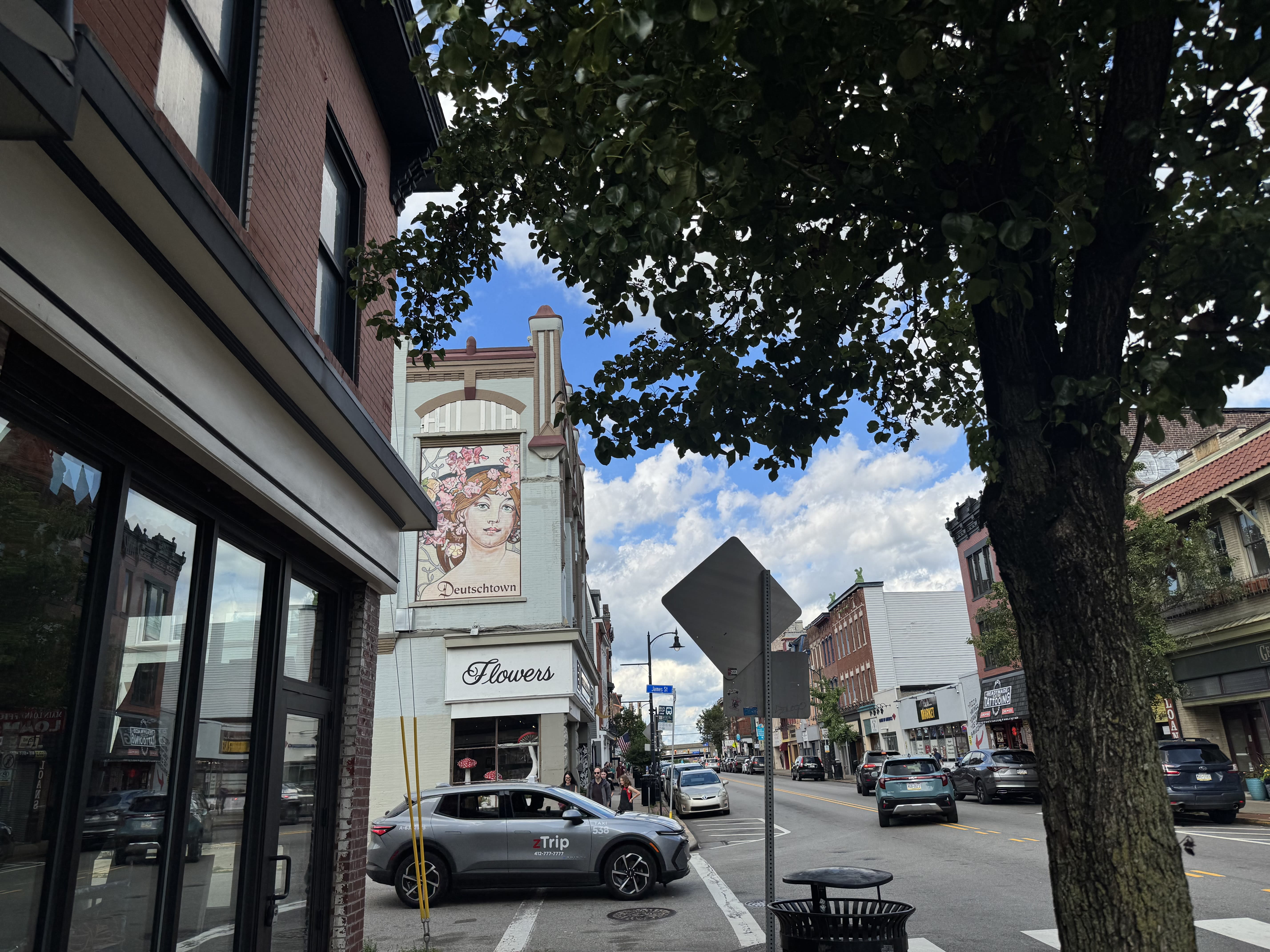
Deutschtown Pittsburgh homes are part of East Allegheny, a historic North Side neighborhood just across the river from Downtown. The neighborhood developed between roughly 1850 and 1900 with strong German immigrant influence, and East Ohio Street became its traditional business district.[15] The Deutschtown Historic District is listed on the National Register of Historic Places and is also a City historic district.[15]
Today, Deutschtown offers historic rowhouses, neighborhood taverns, restaurants, event venues, churches, and quick access to Allegheny Commons, the North Shore, Troy Hill, Spring Garden, and Downtown.
Getting Around & Location
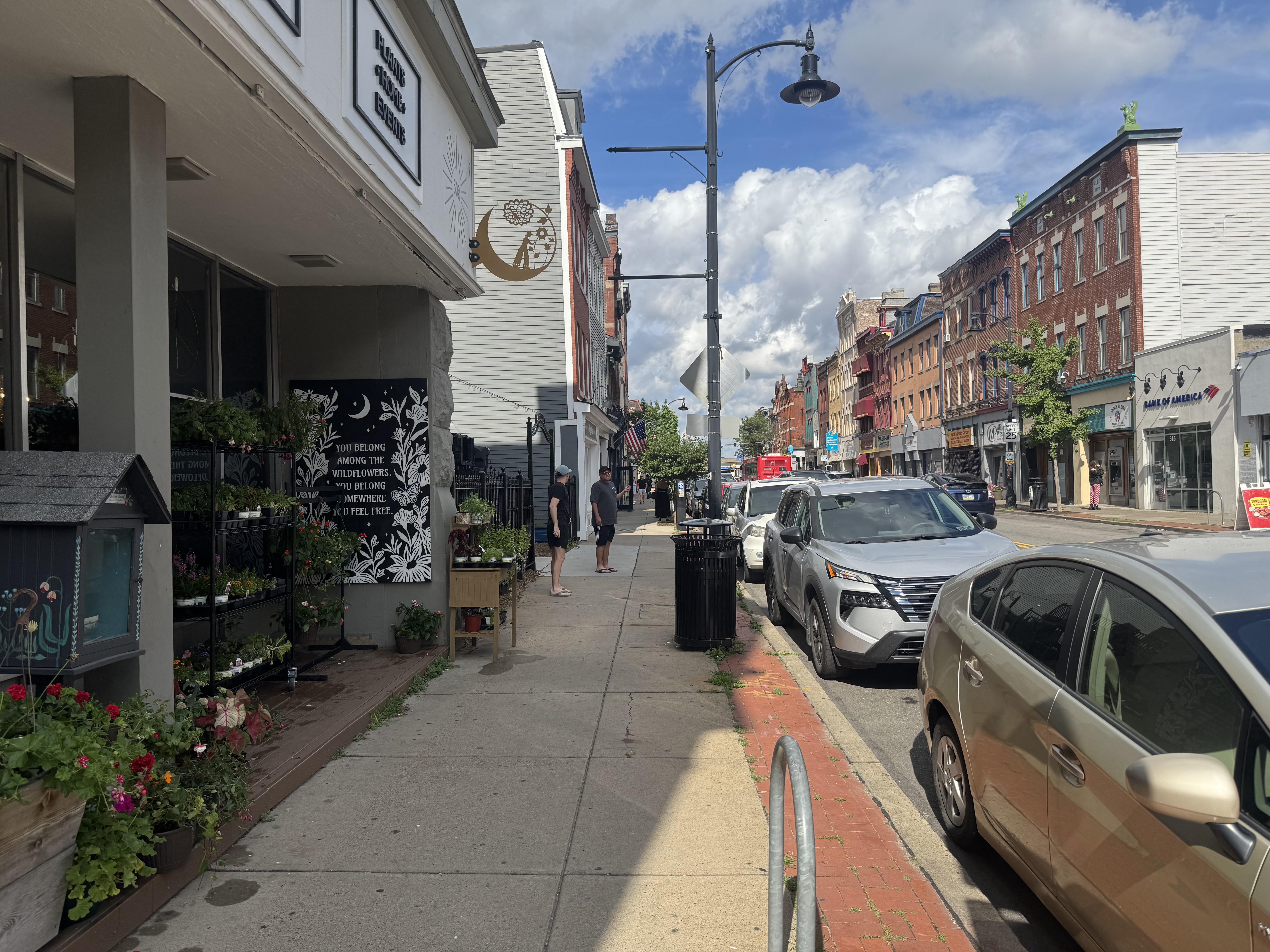
Deutschtown sits east of Allegheny Commons on Pittsburgh’s North Side. East Ohio Street is the main corridor, with Cedar Avenue, Chestnut Street, East Street, and Madison Avenue connecting the neighborhood to surrounding areas. Interstate 279 divides East and West Deutschtown, which is an important detail when comparing blocks and walking routes.[15]
The location is practical for Downtown commuters and North Side living. Residents can reach PNC Park, the Andy Warhol Museum, the Children’s Museum, the National Aviary, Allegheny Commons, and the North Shore without traveling far. Bus service along East Ohio Street and nearby corridors connects the neighborhood to Downtown and other North Side destinations.
Things to Do & Local Favorites
Deutschtown’s identity is closely tied to East Ohio Street and historic North Side institutions. The Priory, housed in former religious buildings, is one of the neighborhood’s signature landmarks. Teutonia Männerchor, founded in the German cultural tradition, remains a visible part of the area’s heritage.[15] Max’s Allegheny Tavern, Allegheny City Brewing, and other neighborhood stops help keep the corridor active.
The neighborhood is also associated with the Deutschtown Music Festival and community events. Allegheny Commons is nearby for park space, paths, and access toward the National Aviary. Federal Street, the North Shore, and Downtown add restaurants, museums, sports venues, and riverfront destinations within a short trip.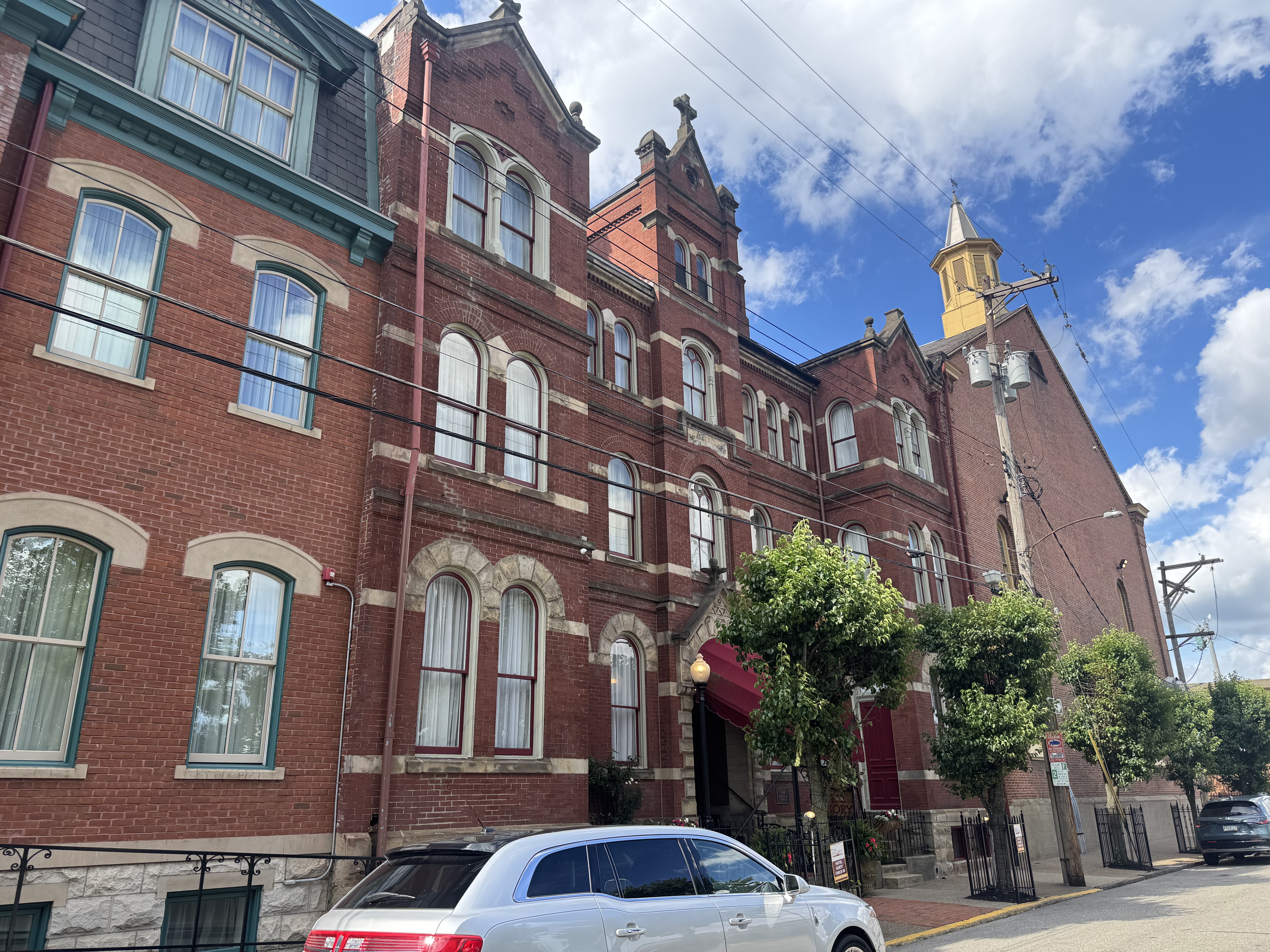
Homes & Architecture in Deutschtown
Deutschtown’s homes include brick rowhouses, attached houses, frame homes, mixed-use buildings, and historic residential properties from the late nineteenth and early twentieth centuries. The historic district contains buildings that reflect the neighborhood’s German immigrant and working-city roots.[15]
Buyers may find tall narrow houses, decorative cornices, stoops, small yards, and renovated interiors. As with other historic North Side neighborhoods, masonry, roofs, windows, foundations, drainage, and past renovation quality should be carefully reviewed. Historic designation may also shape exterior work in certain areas.
Living in Deutschtown
Living in Deutschtown means choosing a historic North Side neighborhood with immediate city access. East Ohio Street provides the main business spine, while Allegheny Commons and the North Shore add green space, entertainment, and cultural destinations. Downtown is close enough that daily travel can be short, especially for those who work or spend time in the central city.
The neighborhood is compact but varied. West Deutschtown has a different feel from East Deutschtown because of the highway division, so buyers should walk both areas and understand routes, parking, noise, and access to East Ohio Street. Sellers should highlight historic details, updates, outdoor space, and proximity to Downtown, parks, and North Side amenities.
Thinking of Buying or Selling in Deutschtown?
Thinking of buying or selling in Deutschtown? The Edmondson Real Estate Group knows this part of Pittsburgh inside and out. Call or text us at 412-326-9766 or reach out at ergpgh.com — we’d love to help.
6. FAQ:
|
Question
|
Answer
|
|
Where is Deutschtown in Pittsburgh?
|
Deutschtown, also called East Allegheny, is on Pittsburgh’s North Side just east of Allegheny Commons and north of Downtown.
|
|
What is Deutschtown known for?
|
Deutschtown is known for East Ohio Street, German immigrant history, historic rowhouses, The Priory, Teutonia Männerchor, Max’s Allegheny Tavern, and North Side access.
|
Explore nearby neighborhoods: Allegheny West, Mexican War Streets
Map of the area
3D Tour
3D Tour
$824,500
3D Tour
$499,000
$499,000
$474,000
3D Tour
3D Tour
$440,000
$424,900
3D Tour
$395,000
$345,000
3D Tour
3D Tour
3D Tour
$174,900
$149,900
$55,000
$2,500
3D Tour
Price
Descending
24
MLS# 1744798
ACTIVE
$2,750,000
1 Beds
2 Baths
Listing Office: HOWARD HANNA REAL ESTATE SERVICES

MLS# 1744800
ACTIVE
$2,750,000
Listing Office: HOWARD HANNA REAL ESTATE SERVICES
MLS# 1759234
ACTIVE
$824,500
Listing Office: THE GREENE REALTY GROUP
MLS# 1759618
ACTIVE
$590,000
4 Beds
3 Baths
Listing Office: RE/MAX SELECT REALTY
MLS# 1757693
ACTIVE
$499,000
3 Beds
3 Baths
Listing Office: KELLER WILLIAMS STEEL CITY
MLS# 1752522
ACTIVE
$499,000
3 Beds
3 Baths
Listing Office: KELLER WILLIAMS STEEL CITY
MLS# 1768457
ACTIVE
$474,000
3 Beds
3 Baths
Listing Office: RE/MAX SELECT REALTY
MLS# 1764279
ACTIVE
$469,900
3 Beds
2 Baths
Listing Office: HOWARD HANNA REAL ESTATE SERVICES
MLS# 1762139
ACTIVE
$444,999
4 Beds
4 Baths
Listing Office: HOWARD HANNA REAL ESTATE SERVICES
MLS# 1758349
ACTIVE
$440,000
Listing Office: HOWARD HANNA REAL ESTATE SERVICES
MLS# 1761835
ACTIVE
$424,900
3 Beds
3 Baths
Listing Office: REALTY CO LLC
MLS# 1743772
ACTIVE
$399,800
Listing Office: KELLER WILLIAMS STEEL CITY
MLS# 1749548
ACTIVE
$395,000
1 Beds
1 Baths
Listing Office: EXP REALTY LLC
MLS# 1770683
ACTIVE
$345,000
3 Beds
2 Baths
Listing Office: RIVER POINT REALTY, LLC
MLS# 1766091
ACTIVE
$325,000
2 Beds
3 Baths
Listing Office: BROADVIEW REALTY
MLS# 1763316
ACTIVE
$285,000
2 Beds
2 Baths
Listing Office: PIATT SOTHEBY'S INTERNATIONAL REALTY
MLS# 1769777
ACTIVE
$174,900
4 Beds
2 Baths
Listing Office: REALTY CO LLC
MLS# 1759855
ACTIVE
$149,900
Listing Office: HOWARD HANNA REAL ESTATE SERVICES
MLS# 1749557
ActiveUnderContract
$55,000
Listing Office: EXP REALTY LLC
MLS# 1770660
ACTIVE
$2,500
3 Beds
3 Baths
Listing Office: DEACON & HOOVER REAL ESTATE ADVISORS LLC
No results found
Please remove some of the selected filters.

Information provided here is deemed reliable but is not guaranteed and should be verified independently. The data relating to real estate for sale on this website comes from the Internet Data Exchange program of West Penn Multi-List. Updated: 21st August, 2026 11:14 PM (UTC)