
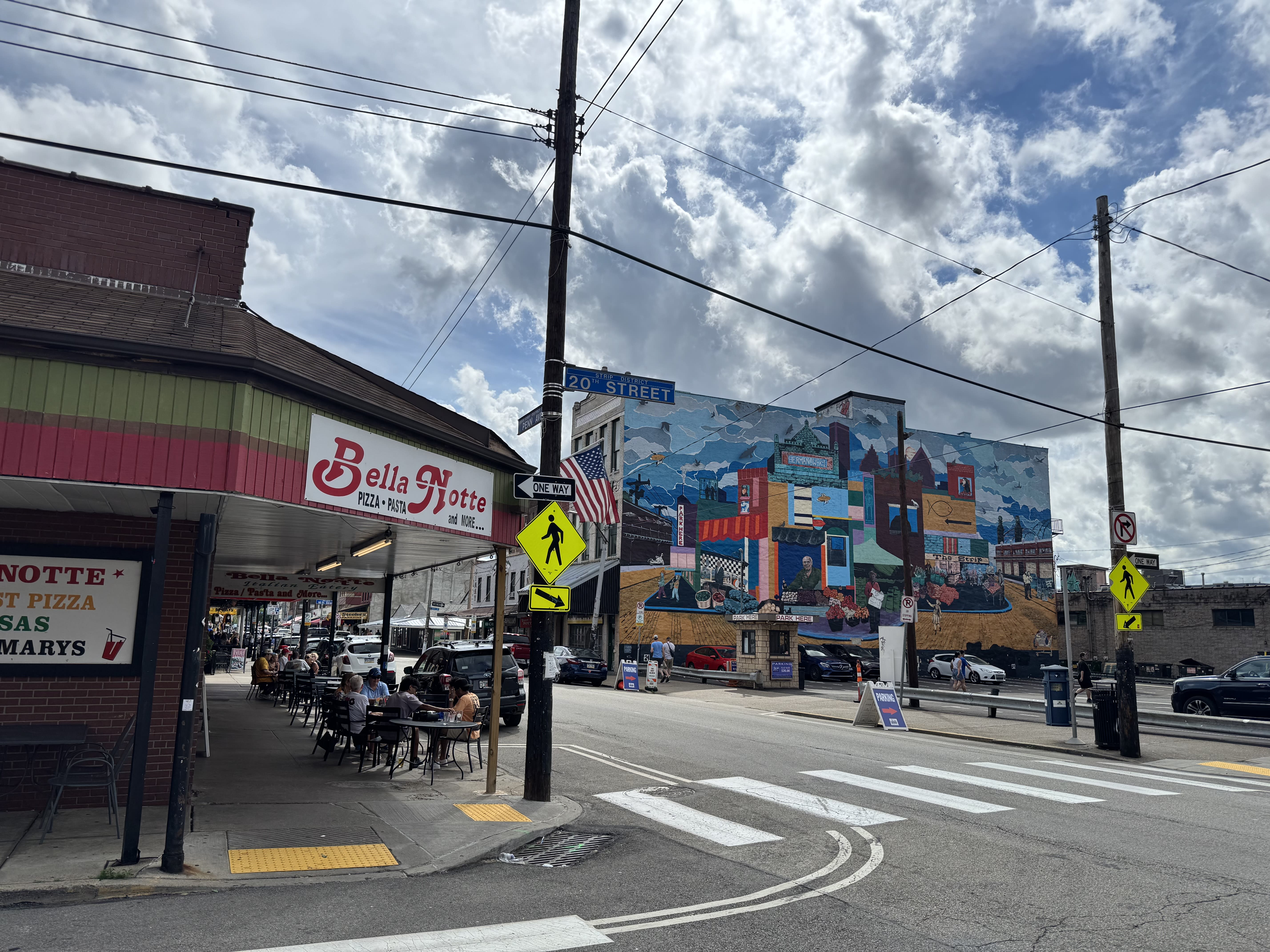
Strip District at a Glance
If you are looking at Strip District homes for sale, you are looking at one of Pittsburgh’s most recognizable urban neighborhoods, located just northeast of Downtown along the Allegheny River. Strip District Neighbors explains that the neighborhood takes its name from the narrow strip of land along the Allegheny at the base of the Hill District, generally between 11th and 33rd Streets.
The Strip District’s identity is closely tied to Pittsburgh’s industrial, wholesale, food, and market history. Strip District Neighbors describes the neighborhood as known for retail food markets, small businesses, nightlife, and a growing residential population, while also noting its cultural diversity and historic character. Today, the neighborhood blends long-standing merchants, restaurants, specialty grocers, historic warehouses, mixed-use redevelopment, condos, apartments, offices, and destination shopping.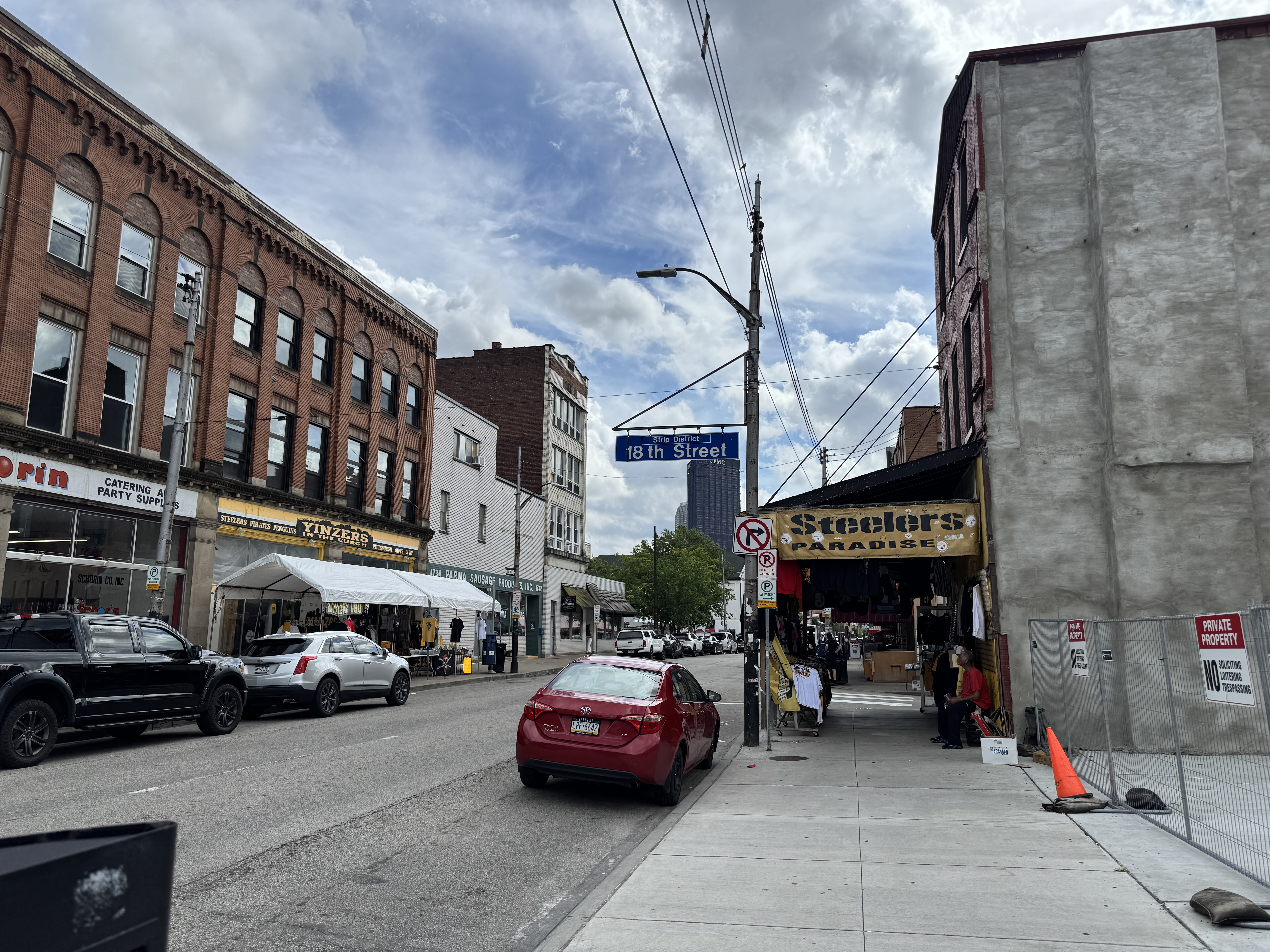
Getting Around & Location
The Strip District borders Downtown Pittsburgh and sits between the Allegheny River and the Hill District / Polish Hill hillside. Discover the Burgh describes the generally accepted boundaries as 11th Street to 33rd Street, with the Allegheny River as the northern border and Liberty Avenue to the south. Strip District Neighbors similarly describes the Strip as confined by the Allegheny River and the extension of Grant’s Hill between 11th and 33rd Streets.
Penn Avenue, Smallman Street, Liberty Avenue, Railroad Street, and the 16th Street Bridge are central to neighborhood movement. Buyers should evaluate parking, garage access, building amenities, walking routes, traffic patterns, riverfront or trail access, and commute patterns toward Downtown, Lawrenceville, Oakland, the North Shore, and I-279 / I-376 connections. Because the Strip District is active with visitors, restaurants, offices, markets, events, and redevelopment, the experience can vary significantly from block to block.
Things to Do & Local Favorites
The Strip District is one of Pittsburgh’s strongest food, shopping, and local-business destinations. Discover the Burgh describes the neighborhood as home to international grocery stores, retailers, boutique shops, independent merchants, and many restaurants, with much of the activity concentrated on Smallman Street and Penn Avenue. Strip District Neighbors also highlights merchants such as Wholey’s Fish Market, Pennsylvania Macaroni Co., and the original Primanti Brothers as part of the neighborhood’s historic charm and local identity.
The neighborhood’s institutional and cultural anchors are also important. NEXTpittsburgh identifies the Heinz History Center, Pittsburgh Ballet Theatre, Pittsburgh Opera, and The Terminal as major institutions, and describes St. Stanislaus Kostka Church at Smallman and 21st Streets as a well-known landmark listed on the National Register of Historic Places. The Heinz History Center opened in the Strip District in 1996, and Strip District Neighbors notes that it made the neighborhood home to the largest history museum in Pennsylvania.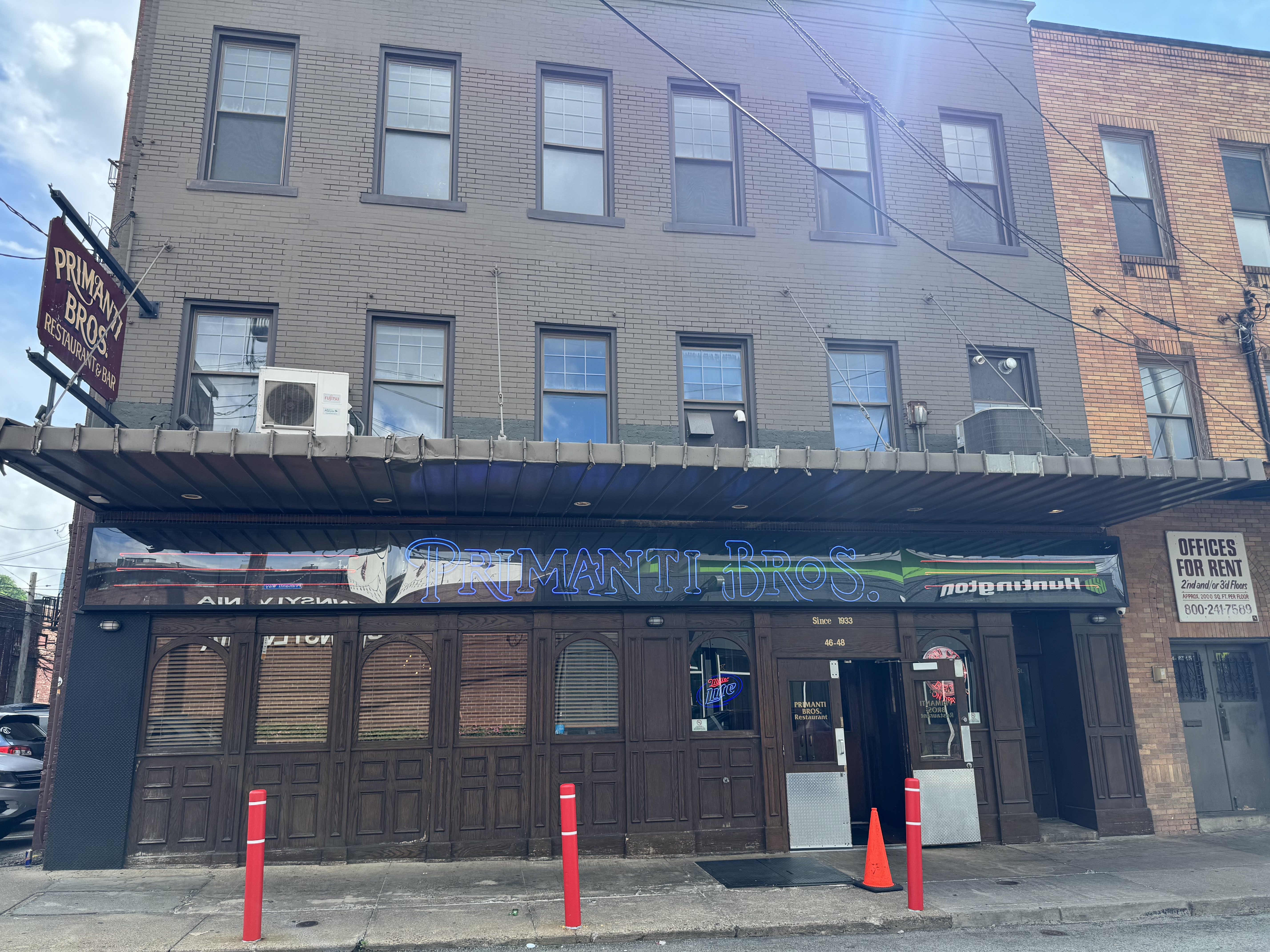
Homes & Architecture in the Strip District
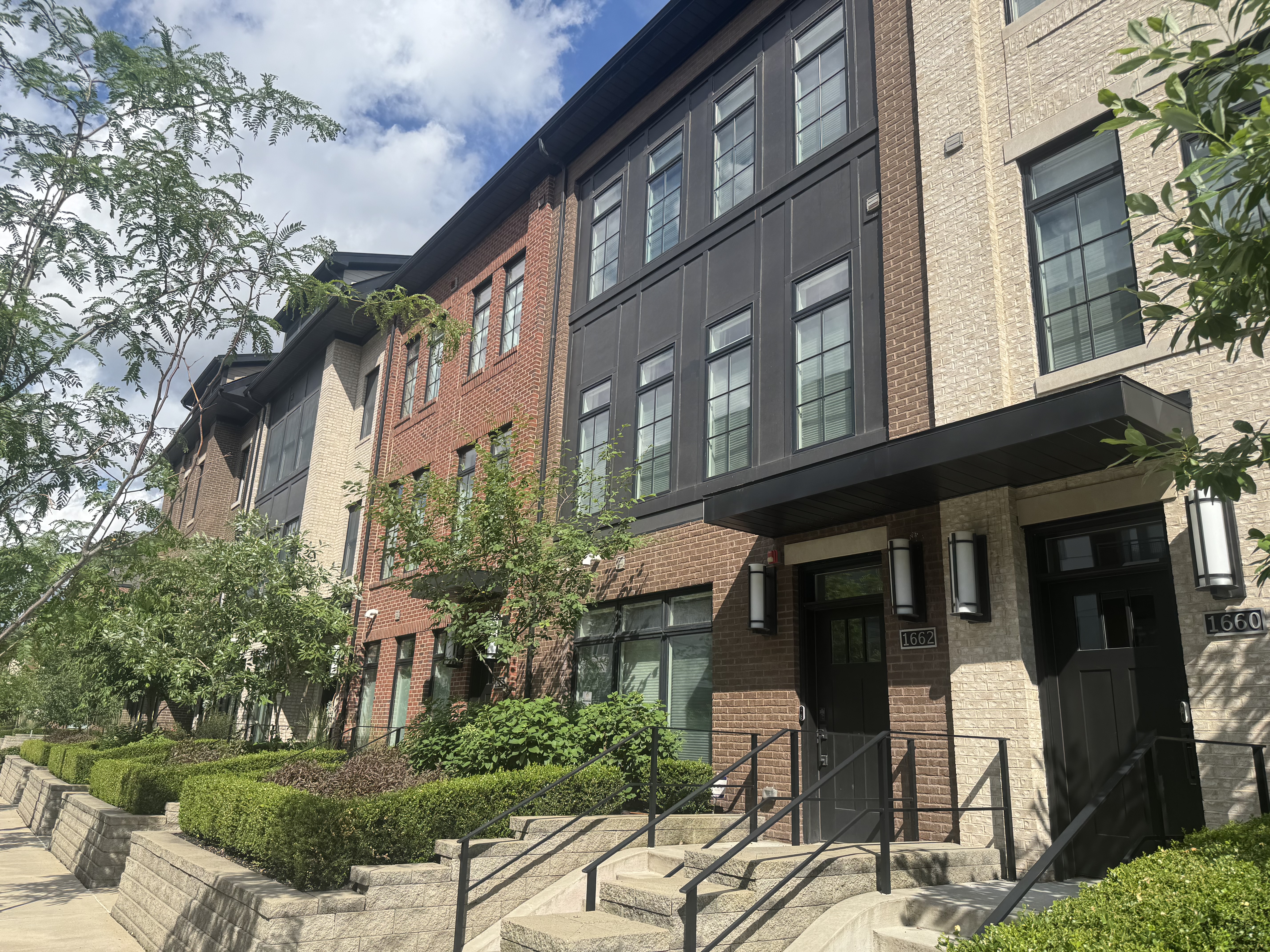
The Strip District housing market is shaped by its industrial and commercial past. Buyers may find condos, loft-style residences, newer apartment buildings, mixed-use developments, converted warehouse spaces, townhome-style residences, and residential units close to restaurants, shops, offices, and riverfront routes. The neighborhood is more urban and mixed-use than many traditional Pittsburgh residential neighborhoods, so buyers should pay close attention to building type, parking, HOA or condominium fees, amenities, noise exposure, and proximity to loading zones, restaurants, events, or high-traffic corridors.
The Strip District Terminal’s history page notes that a portion of the neighborhood was designated in 2014 as the Strip Historic District, a National Historic District listed on the National Register of Historic Places. It describes the district’s architecture as ranging from one- and two-story brick commercial buildings to larger warehouse and industrial buildings, with early twentieth-century commercial buildings shaping much of the streetscape. That architectural history helps explain why many Strip District properties feel different from conventional single-family neighborhoods: the area’s real estate is often tied to adaptive reuse, mixed-use development, and proximity to commercial corridors.
Living in the Strip District
Living in the Strip District means choosing a dense, urban Pittsburgh setting with strong access to food markets, restaurants, shops, Downtown, riverfront routes, and neighboring districts. Strip District Neighbors describes the neighborhood as a pedestrian-friendly place for “seekers of the old and new,” while emphasizing the organization’s mission of balancing economic development and quality of life while preserving neighborhood character.
For buyers, the right fit depends on building style, parking needs, desired walkability, tolerance for neighborhood activity, building amenities, outdoor access, and commute patterns. For sellers, the Strip District’s strongest listing story often includes walkability to Penn Avenue and Smallman Street, access to The Terminal and Heinz History Center, historic warehouse or loft character, parking or building amenities, and proximity to Downtown Pittsburgh and Lawrenceville.
Thinking of Buying or Selling in the Strip District?
Thinking of buying or selling in the Strip District? The Edmondson Real Estate Group knows the Pittsburgh region inside and out. Call or text us at 412-326-9766 or tell us what you are looking for at propertysearch.ergpgh.com and we will reach out to set up a time to talk — we’d love to help.
FAQ:
Question | Answer |
Where is the Strip District in Pittsburgh? | The Strip District is located just northeast of Downtown Pittsburgh along the Allegheny River, generally between 11th and 33rd Streets, with the river to the north and Liberty Avenue / the hillside area to the south. |
What is the Strip District known for? | The Strip District is known for food markets, specialty grocers, restaurants, Penn Avenue, Smallman Street, The Terminal, Heinz History Center, historic warehouse buildings, and its wholesale produce and industrial history. |
What kind of homes are in the Strip District? | The Strip District includes condos, loft-style residences, apartments, newer mixed-use buildings, converted warehouse spaces, and some townhome-style or urban residential properties. |
Is the Strip District walkable? | Many Strip District locations are walkable to restaurants, shops, markets, offices, and Downtown-area routes, but walkability, parking, noise, and traffic patterns vary by exact building and block. |
What should buyers consider in the Strip District? | Buyers should evaluate parking, HOA or condominium fees, building amenities, noise exposure, traffic, elevator access, storage, riverfront or trail access, and proximity to Penn Avenue, Smallman Street, Downtown, and Lawrenceville. |
Explore nearby neighborhoods: Polish Hill, Lawrenceville, Downtown