
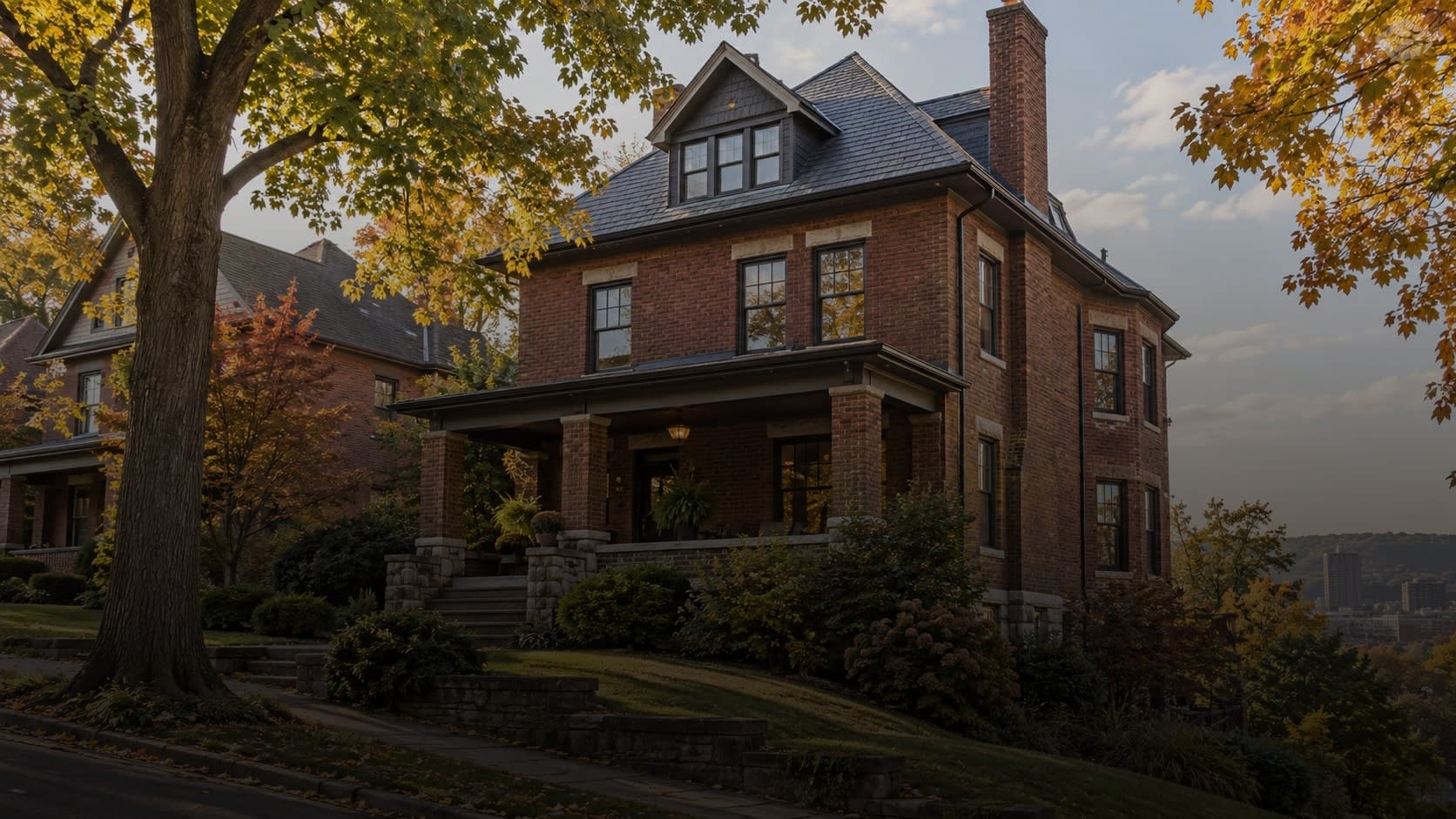
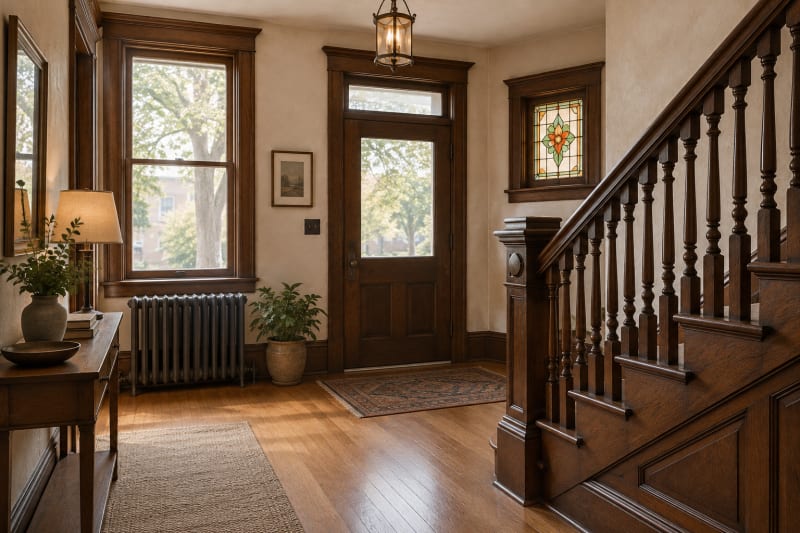
Pittsburgh's older and historic homes come with charm and character that you can’t build new - original woodwork and hardwood floors, stained glass, staircases, stone mantles and fireplaces are just a few things that stand out. Unfortunately, older homes often don’t come without sometimes costly maintenance and upkeep. Here's some things to keep in mind and budget for after closing.
The big-ticket items
Roof - Slate and old flat roofs on historic properties are beautiful and long-lived when maintained, and expensive when they aren't. While under contract, it’s important to have any issues flagged during your inspection evaluated by a roofing company that’s familiar with roofing construction on older and historic properties.
Masonry and pointing - Brick is durable, but the mortar between the bricks isn't. Crumbling and deteriorating mortar joints allow for water intrusion and can lead to damage on the interior. During inspections, it can be beneficial to get an opinion if any masonry work will need to be addressed immediately or if it’s still a few years/decades down the road.
Sewer laterals - The line from the house to the street is often old terra cotta or cast iron. Older lines are susceptible to cracks, breaks and intrusions from tree roots. A camera inspection before you buy and ensuring you have proper coverage on your homeowner’s policy is well worth the cost.
Electrical - Knob-and-tube wiring and undersized panels are common. It’s important to understand if visible knob and tube electrical has been properly disconnected during inspections. If your panel does not have any open spaces for additional breakers, then the panel is likely undersized for the house and will need to be upgraded.
Plumbing - Galvanized steel and cast iron plumbing are common and can be costly and disruptive when repairs or full replacements are necessary. Copper plumbing is more susceptible to freeze and burst damage over newer PEX lines. It’s important to have a thorough understanding of the types of plumbing ran through the house and what the lines service as much as possible.
Foundation and water - Stone foundations and hillside lots mean moisture. While nearly every older home in Pittsburgh will take on some degree of moisture at one point or another, it’s important to have an in-depth understanding of where and how the water is getting in to know if this points to a bigger issue like a foundation needing masonry repairs or any potential structural concerns.
Windows - Original windows have charm, but they also leak heat and are often not energy efficient. Having an understanding of the different components of the window construction and a full understanding of the condition of the framing, lintels, panes, sash, etc. can go a long way in knowing what you’ll need to budget for repairs or replacements.
Boilers and Radiators - Older boilers and radiators can last for decades, but they're less efficient. It’s important to thoroughly understand the age of the boiler/radiators and their potential remaining life expectancy.
An older Pittsburgh home isn't a bad investment. It's a different kind of one that can sometimes feel like a balancing act. Buyers who go in with eyes open, a good inspection, and a maintenance fund usually end up happy owners. If you're thinking about buying one, I'm glad to walk you through what to look for and help determine if it would be a good fit.
Lauren Stackhouse
Edmondson Real Estate Group | Keller Williams Exclusive
814-619-1789 | lauren@ergpgh.com | ergpgh.com